If you have ever looked at your website analytics and thought, “People are showing up… but then nothing happens,” you are not alone. Learning how to increase engagement on your website does not require fancy tech skills, a marketing degree, or a total website overhaul. Promise.
Website engagement is really about making your site feel clear, welcoming, and easy to interact with so visitors actually stick around, click through, and reach out. In this post, I am breaking it all down in a simple, approachable way. You will learn why people leave websites so quickly, what small changes make the biggest difference, and how to improve engagement whether you are DIYing, using a template, or thinking about custom design down the road.
What Website Engagement Really Means (No Jargon)
Website engagement is simply what people do once they land on your site.
Do they scroll?
Do they click?
Do they explore more than one page?
Do they reach out?
If yes, your website is doing its job. If they land and immediately leave, something is not clicking yet.
When you are learning how to increase engagement on your website, you are really learning how to make your site feel easy and relevant. Engagement happens when visitors understand what you do, who it is for, and what to do next.
For small businesses, this matters even more. Your website has to build trust, explain your value, and guide people forward without a big brand name doing the work for you. When engagement is strong, your website feels less like a digital business card and more like a helpful guide.
The good news is that engagement is not about being flashy or complicated. It is about clarity. Confusion is the fastest way to lose someone.
Why People Leave Websites So Quickly
Most people decide within a few seconds whether they are staying on a website or leaving. If they cannot immediately tell what you do, who you help, or where to click, they bounce. Not because your business is bad, but because your website made them think too hard.
Another common issue is trying to say everything at once. When a homepage is packed with too many messages, services, or calls to action, nothing stands out. When everything feels important, visitors do nothing.
DIY websites and templates are not the problem either. Using them without a clear plan is. When copy sounds generic or layouts do not guide the visitor, engagement drops fast.
The good news is that this is fixable. Most engagement issues come down to clarity and flow, not effort or talent.
How to Increase Engagement on Your Website (The Simple Version)
First, give each page one clear job. Your homepage should guide people to learn more or reach out. Your services page should explain what you offer and who it is for. When a page tries to do too much, visitors do nothing.
Next, make your website easy to read. Short paragraphs, clear headings, and breathing room help people scan. Most visitors are skimming, not reading every word.
Another big engagement boost is writing like a real person. Skip the buzzwords and explain things the way you would out loud. People connect faster when your copy feels human.
Finally, make it obvious where to click. Use clear buttons, simple language, and place them where they feel natural. If someone has to hunt for the next step, engagement drops.
Design Tweaks That Instantly Help Engagement
Good design quietly guides people without drawing attention to itself.
One of the easiest fixes is using color with intention. Choose one main button color and reserve it for important actions like contacting you or viewing services.
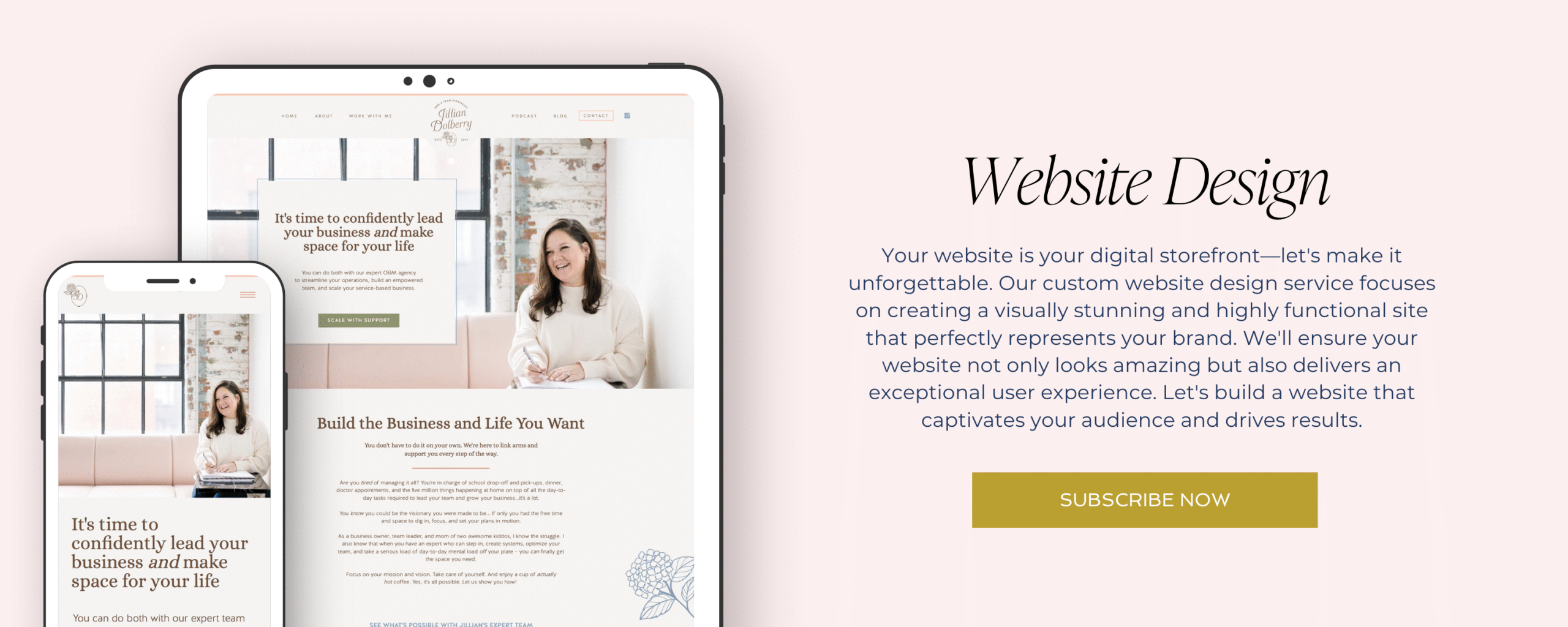
Mobile experience matters just as much, if not more. If text is hard to read or buttons are tricky to tap on a phone, people leave. Making sure your site feels easy on mobile can instantly improve engagement.
Navigation also plays a role. A simpler menu with clear page names helps visitors explore without feeling overwhelmed.
When design is working well, people are not thinking about it. They are just clicking, scrolling, and staying.
Content That Keeps People Around Longer
Design gets people in the door, but content is what convinces them to stay.
Visitors should quickly understand who you help, what you do, and why it matters. Clear beats clever every time.
Letting your personality show also builds trust. Your website does not need to sound formal. It should sound like you. When people feel comfortable, they stay longer.
Another easy engagement win is guiding visitors instead of dumping information. Link to helpful pages, blog posts, or services in a way that feels natural. Think conversation, not information overload.
DIY vs Templates vs Custom Design (What Actually Works)
There is no wrong way to build a website. The best option is the one that fits your business right now.
DIY websites work well in early stages when messaging is clear and simple. Templates are a great next step because structure and flow are already built in, which helps engagement without guesswork.
Custom website design makes sense when your business has grown and your website needs to do more work. If you are getting traffic but not inquiries, custom design allows everything to be built around your goals and audience.
Each option has its place. The goal is progress, not perfection.
Signs Your Website Engagement Needs Help
If people are visiting your website but not clicking, reaching out, or taking next steps, engagement may be off.
Feeling hesitant to share your website is another sign. When your site no longer reflects your business, confidence and engagement tend to drop together.
You might also notice inquiries that are not a great fit. That often points back to unclear messaging.
If any of this feels familiar, do not panic. Awareness is the first step.
Final Thoughts: Engagement Is About Connection
Your website does not need to be perfect. It needs to feel clear and inviting. When people understand what you do and know what to do next, engagement follows naturally.
Progress beats overthinking every time. Small changes can create real shifts, and you are allowed to improve your website in phases.
If you want support, there are options. Templates can give you structure, resources can help you refine, and custom brand or website design can help everything align when your business is ready.
No pressure. Just the next step that feels right.